
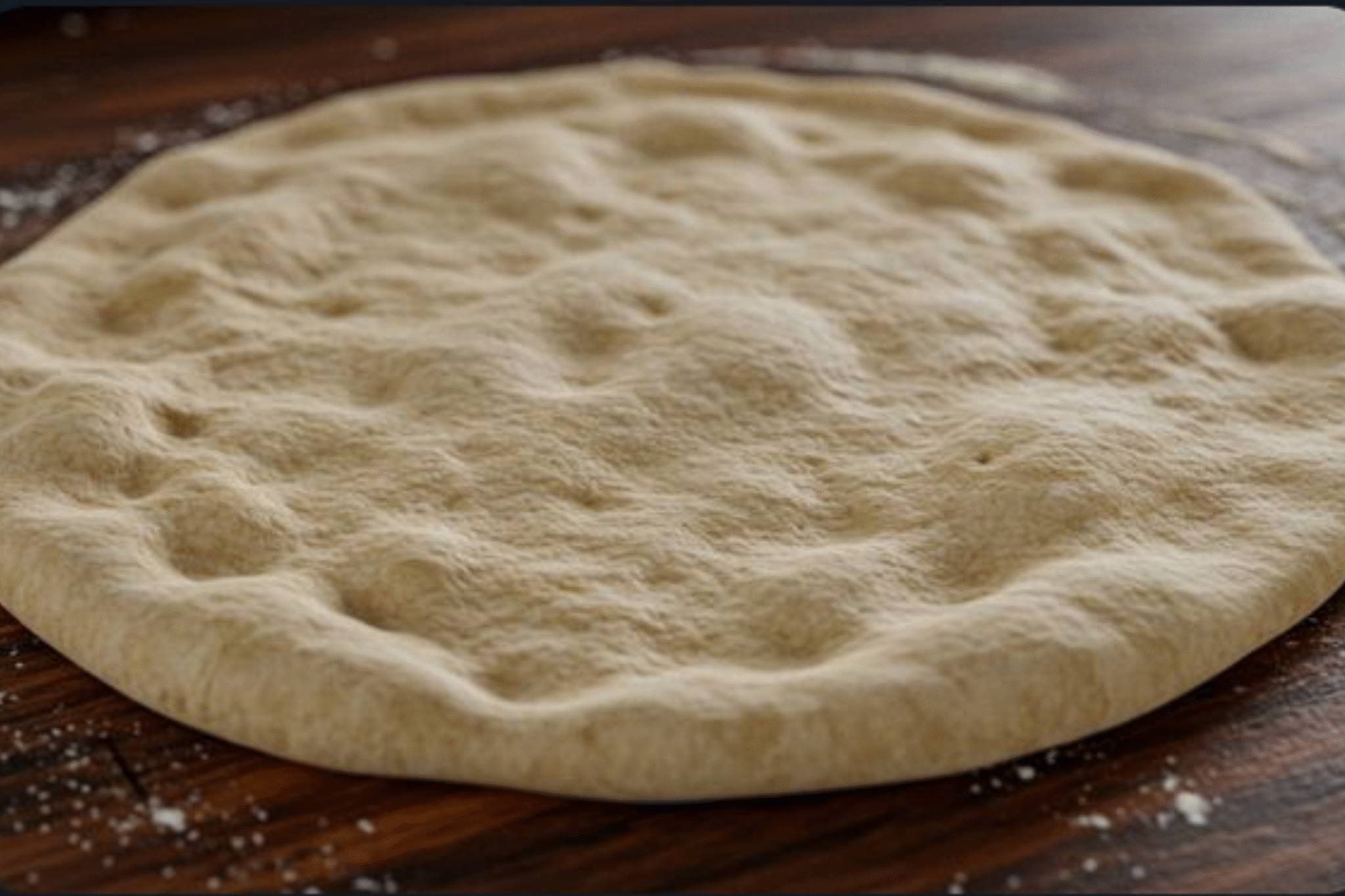
Turn Your Scraps into Supper: Delicious Discarded Sourdough Pizza Dough
Oh, my sweet friends, if you’re like me, you adore your sourdough starter but sometimes wonder what to do with all that ‘discard’! Well, I’m here to tell you, don’t let it go to waste. Today, we’re transforming that often-overlooked ingredient into something truly spectacular: a delicious Discarded Sourdough Pizza Dough that will change your pizza nights forever. This isn’t just a recipe; it’s a revelation, giving your homemade pizza an incredible depth of flavor and a wonderfully chewy crust.
Why You Will Love This Discarded Sourdough Pizza Dough Recipe
- Zero Waste Hero: This recipe is brilliant for using up your sourdough discard, turning what might otherwise be thrown away into a culinary masterpiece. It’s truly a win-win!
- Unbeatable Flavor: The sourdough discard lends a subtle tang and complex flavor to the pizza crust that you just can’t get with commercial yeast. It’s a game-changer for your taste buds.
- Chewy, Crispy Perfection: Expect a crust that’s delightfully chewy on the inside with a satisfying crispness on the outside. It’s the perfect foundation for all your favorite toppings.
- Surprisingly Easy: Don’t be intimidated by sourdough! This recipe is incredibly straightforward, especially since you’re working with discard, which is less fussy than an active starter.
- Customizable Fun: Pizza night is all about personalization! This versatile dough is the perfect canvas for whatever toppings your heart desires, making it a fantastic family activity.
Table of Contents
Ingredients for Your Sourdough Pizza Night
For the Discarded Sourdough Pizza Dough (Yields 2 medium pizzas)
- 200g (about 1 cup) unfed sourdough discard (straight from the fridge is fine!)
- 150g (about 2/3 cup) warm water (around 95-105°F / 35-40°C)
- 1 teaspoon active dry yeast (optional, but helps with rise for discard)
- 300g (about 2 ½ cups) all-purpose flour or bread flour, plus more for dusting
- 1 teaspoon fine sea salt
- 1 tablespoon olive oil, plus more for bowl
For the Toppings (Suggestions)
- ½ cup pizza sauce
- 1 ½ cups shredded mozzarella cheese
- Your favorite toppings: pepperoni, mushrooms, bell peppers, onions, fresh basil, olives, etc.
- A drizzle of extra virgin olive oil for finishing
Crafting Your Perfect Discarded Sourdough Pizza Dough
Preparing Your Discarded Sourdough Pizza Dough
- Combine Wet Ingredients: In a large mixing bowl, whisk together the sourdough discard, warm water, and active dry yeast (if using). Let it sit for 5-10 minutes if using yeast, just until it gets a little foamy. This step isn’t strictly necessary for discard, but it gives the yeast a head start if you want a quicker rise.
- Add Dry Ingredients: Add the flour and salt to the wet mixture. Mix with a wooden spoon or your hands until a shaggy dough forms. It’s okay if it looks a bit messy at this stage!
- Knead the Dough: Turn the dough out onto a lightly floured surface. Knead for 5-7 minutes until the dough is smooth and elastic. If it’s too sticky, add a tiny bit more flour, but be careful not to add too much, or your crust will be tough. Alternatively, if you have a stand mixer, use the dough hook attachment and knead on medium-low speed for 5 minutes.
- First Rise (Bulk Fermentation): Lightly oil a clean bowl. Place the dough in the bowl, turning it once to coat. Cover the bowl with plastic wrap or a damp kitchen towel. Let it rise in a warm spot for 1-2 hours, or until it has nearly doubled in size. If your kitchen is cool, this might take longer. If you’re not using yeast, this rise will be slower and less dramatic, but the sourdough flavor will be more pronounced.
- Divide and Shape: Gently punch down the dough to release the air. Divide the dough into two equal portions. On a lightly floured surface, gently shape each portion into a round ball. Cover them loosely with a damp cloth and let them rest for another 15-20 minutes. This rest allows the gluten to relax, making the dough easier to stretch.
Assembling and Baking Your Pizza
- Preheat Your Oven: While the dough is resting, preheat your oven to its highest setting (usually 475-500°F or 245-260°C) with a pizza stone or baking steel inside. If you don’t have one, a heavy baking sheet works too. Preheat for at least 30 minutes to ensure it’s piping hot.
- Stretch the Dough: On a lightly floured surface (or a piece of parchment paper for easy transfer), gently stretch one dough ball into a 10-12 inch circle. You can use your hands, starting from the center and working outwards, or a rolling pin. Try to keep the edges slightly thicker for a nice crust.
- Add Toppings: Carefully transfer your stretched dough to a pizza peel dusted with cornmeal or semolina (this helps it slide off). Spread your pizza sauce evenly over the dough, leaving about a ½-inch border. Sprinkle with mozzarella cheese, then add your favorite toppings.
- Bake: Carefully slide the pizza onto the preheated pizza stone or baking sheet in the oven. Bake for 8-12 minutes, or until the crust is golden brown and the cheese is bubbly and slightly charred. Cooking times can vary, so keep an eye on it!
- Serve: Remove the pizza from the oven. Let it cool for a minute or two before slicing and serving. Drizzle with a little extra virgin olive oil and sprinkle with fresh basil, if desired. Repeat with the second dough ball.
Substitutes and Variations to Make It Your Own
Flour Alternatives
- Whole Wheat Flour: For a nuttier flavor and added fiber, substitute up to half of the all-purpose flour with whole wheat flour. You might need a tiny bit more water as whole wheat absorbs more liquid.
- Bread Flour: Using 100% bread flour will give you an even chewier crust with more structure, thanks to its higher protein content. It’s fantastic for a robust pizza base.
- Gluten-Free Flour Blend: While challenging with sourdough, some high-quality gluten-free all-purpose blends can work, though the texture will be different. Look for blends designed for yeast breads and consider adding a binder like xanthan gum if not already included.
Flavor Boosters & Add-ins
- Herbs in the Dough: Knead in a teaspoon of dried oregano, basil, or Italian seasoning into the dough for an aromatic crust.
- Garlic Infusion: Add a teaspoon of garlic powder to your dough, or brush the finished crust with garlic-infused olive oil for an extra savory kick.
- Cheese Stuffed Crust: For a real treat, place a string of mozzarella cheese around the edge of your stretched dough before folding the edges over and sealing them to create a stuffed crust. It’s a little extra effort that pays off big time!
- Spicy Kick: A pinch of red pepper flakes in the dough or sprinkled over the sauce can add a lovely warmth and spice to your pizza.
Serving Suggestions for Your Sourdough Pizza
- Classic Margherita: Keep it simple with San Marzano tomato sauce, fresh mozzarella, and a scattering of fresh basil leaves after baking. Sometimes, less is truly more, especially with a flavorful crust.
- Go Green: Top your pizza with pesto instead of tomato sauce, then add goat cheese, spinach, artichoke hearts, and sun-dried tomatoes for a vibrant, fresh option.
- Meat Lover’s Delight: Load it up with pepperoni, crumbled sausage, bacon, and a sprinkle of red pepper flakes for a hearty and satisfying meal.
- White Pizza Wonder: Skip the tomato sauce and use a garlic-infused olive oil base, then top with ricotta cheese, mozzarella, and a generous amount of fresh parsley and grated Parmesan after baking.
- With a Side Salad: A fresh, crisp green salad with a light vinaigrette is always a perfect accompaniment to pizza, balancing out the richness and adding a healthy touch.
Storage Tips for Your Sourdough Pizza
- Unbaked Dough: If you’re not using both dough balls immediately, you can store the unbaked dough in an airtight container in the refrigerator for up to 2-3 days. Bring it to room temperature for about 30-60 minutes before stretching and baking.
- Leftover Pizza: Store any leftover pizza slices in an airtight container in the refrigerator for up to 3-4 days. Reheat in a preheated oven (350°F / 175°C) or a toaster oven for best results, until warmed through and crispy.
Sally’s Best Tip for Perfect Sourdough Pizza
My absolute best tip for getting that truly restaurant-quality crust is to preheat your oven and pizza stone (or baking steel) for at least 30-45 minutes before baking. This intense heat is crucial for a quick bake and an incredibly crispy, airy crust. Don’t rush this step, my friends! It makes all the difference in achieving that perfect golden-brown, bubbly edge that we all crave.
Time to Enjoy Your Sourdough Creation!
There you have it, my dear friends! Who knew that a little bit of sourdough discard could lead to such a magnificent culinary adventure? This Discarded Sourdough Pizza Dough recipe is more than just a way to use up your extra starter; it’s an invitation to elevate your homemade pizza game to a whole new level. The subtle tang, the incredible chew, and that satisfying crispness truly make this a standout. I promise you, once you try this, you’ll be looking forward to every discard day! So, gather your ingredients, fire up that oven, and get ready to impress your family and friends with a pizza that’s bursting with flavor and made with love. Happy baking!
Print
Turn Your Scraps into Supper: Delicious Discarded Sourdough Pizza Dough
- Total Time: 2 hours 30 minutes (includes rise time)
- Yield: 2 medium pizzas (8–10 slices each) 1x
- Diet: Vegetarian
Description
Transform your sourdough discard into an incredibly flavorful and chewy pizza dough! This recipe uses unfed sourdough discard to create two delicious pizzas with a subtle tang and a perfectly crispy crust. It’s an easy and delicious way to reduce waste and elevate your homemade pizza nights.
Ingredients
- 200g (about 1 cup) unfed sourdough discard
- 150g (about 2/3 cup) warm water (around 95-105°F / 35-40°C)
- 1 teaspoon active dry yeast (optional)
- 300g (about 2 ½ cups) all-purpose flour or bread flour
- 1 teaspoon fine sea salt
- 1 tablespoon olive oil, plus more for bowl
- ½ cup pizza sauce
- 1 ½ cups shredded mozzarella cheese
- Your favorite toppings: pepperoni, mushrooms, bell peppers, onions, fresh basil, olives, etc.
- A drizzle of extra virgin olive oil for finishing
Instructions
- Combine Wet Ingredients: In a large mixing bowl, whisk together the sourdough discard, warm water, and active dry yeast (if using). Let it sit for 5-10 minutes if using yeast.
- Add Dry Ingredients: Add the flour and salt to the wet mixture. Mix until a shaggy dough forms.
- Knead the Dough: Turn the dough out onto a lightly floured surface. Knead for 5-7 minutes until smooth and elastic.
- First Rise (Bulk Fermentation): Lightly oil a clean bowl. Place the dough in the bowl, turning it once to coat. Cover and let rise in a warm spot for 1-2 hours, or until nearly doubled.
- Divide and Shape: Gently punch down the dough. Divide into two equal portions and shape each into a round ball. Cover loosely and let rest for 15-20 minutes.
- Preheat Your Oven: Preheat oven to its highest setting (475-500°F / 245-260°C) with a pizza stone or baking steel inside for at least 30 minutes.
- Stretch the Dough: On a lightly floured surface or parchment paper, gently stretch one dough ball into a 10-12 inch circle, leaving edges slightly thicker.
- Add Toppings: Transfer dough to a pizza peel dusted with cornmeal. Spread pizza sauce, sprinkle with mozzarella, and add your favorite toppings.
- Bake: Carefully slide the pizza onto the preheated stone/sheet. Bake for 8-12 minutes, until crust is golden and cheese is bubbly.
- Serve: Remove, let cool for a minute or two, then slice and serve. Repeat with the second dough ball.
Notes
- Using yeast is optional but recommended for a quicker and more reliable rise, especially with unfed discard.
- Don’t over-flour your dough during kneading; it can lead to a tough crust.
- Preheating your oven and pizza stone thoroughly is key for a crispy crust.
- Feel free to experiment with different flours, like a mix of all-purpose and whole wheat, for varied textures and flavors.
- Prep Time: 30 minutes
- Cook Time: 20 minutes
- Category: Main Course
- Method: Baking
- Cuisine: Italian-American
Nutrition
- Serving Size: 1 slice (assuming 8 slices per pizza)
- Calories: 320 kcal
- Sugar: 8g
- Sodium: 550mg
- Fat: 12g
- Saturated Fat: 6g
- Unsaturated Fat: 6g
- Trans Fat: 0g
- Carbohydrates: 38g
- Fiber: 3g
- Protein: 15g
- Cholesterol: 30mg
Keywords: sourdough pizza, discarded sourdough, sourdough discard pizza, homemade pizza, sourdough crust, pizza dough recipe, zero waste cooking, tangy pizza
Frequently Asked Questions About Discarded Sourdough Pizza Dough
Can I use active sourdough starter instead of discard?
Absolutely! If you want to use active sourdough starter, you can reduce or omit the added dry yeast, as your active starter will provide sufficient leavening. You might find the rise time is a bit shorter, and the flavor will be even more pronounced. Just ensure your active starter is bubbly and fed before using it in the recipe for the best results.
What’s the difference between unfed and fed sourdough discard?
Unfed sourdough discard is the portion of your starter that you remove before feeding it, typically less active and often stored in the fridge. Fed sourdough discard refers to starter that has recently been fed and is usually more active. For this recipe, unfed discard is perfectly fine and encouraged, as we’re adding a little yeast to boost the rise. The beauty of discard is that it still imparts that wonderful sourdough flavor without needing to be super active.
Can I make this dough ahead of time?
Yes, you certainly can! After the bulk fermentation (first rise), you can place the dough balls in individual lightly oiled, airtight containers or zip-top bags and refrigerate them for up to 2-3 days. This slow cold fermentation actually develops even more complex sourdough flavor! Just remember to bring the dough to room temperature for about 30-60 minutes before you plan to stretch and bake it, making it much more pliable and easy to work with.
What if my dough is too sticky or too dry?
Dough consistency can vary based on flour type and humidity. If your dough is too sticky, add a tablespoon of flour at a time until it’s manageable but still soft. If it’s too dry and crumbly, add a teaspoon of warm water at a time until it comes together. The goal is a dough that’s smooth and elastic, but not overly sticky. Trust your hands and adjust as needed, my friends – baking is all about feel!