
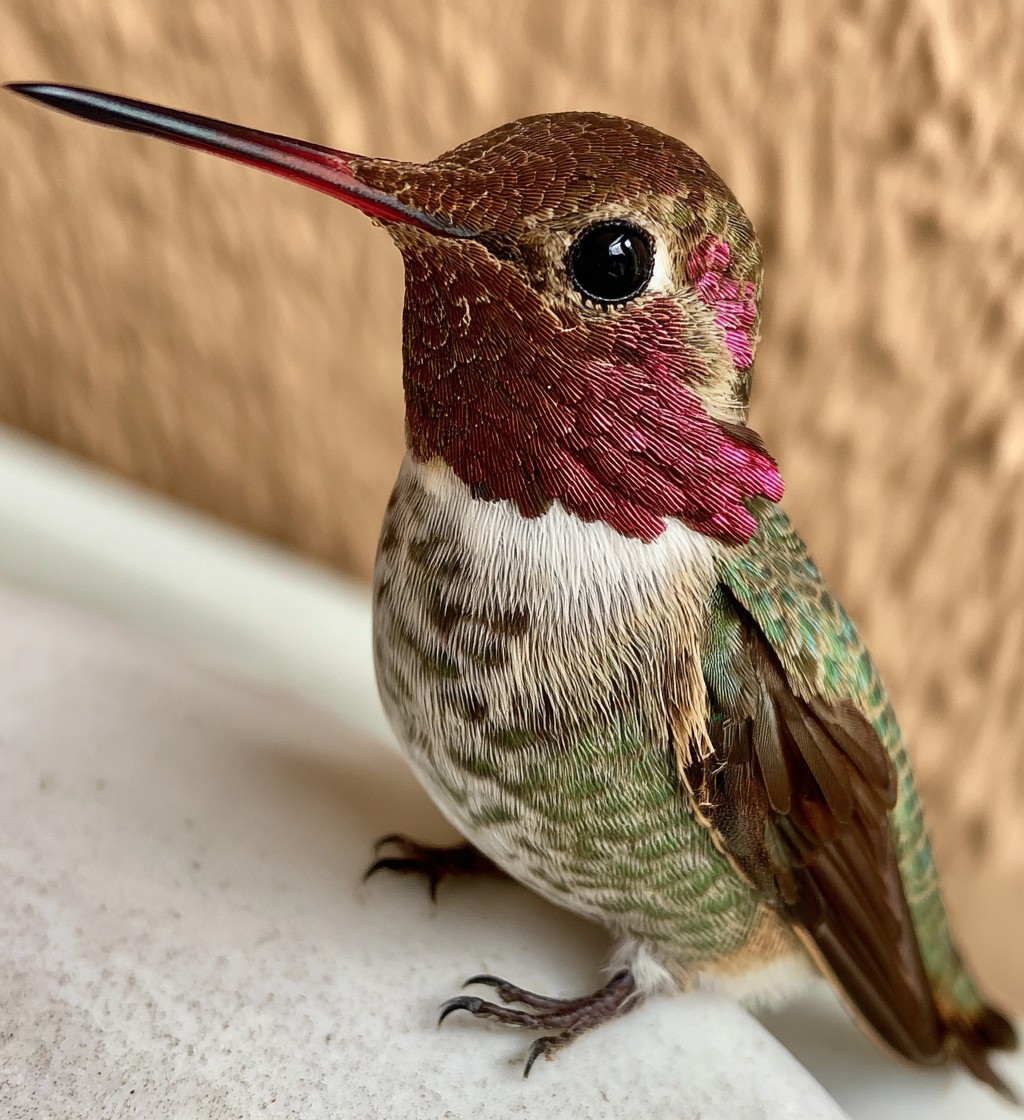
Easy Hummingbird Nectar Recipe: Simple, Sweet, and Safe
There’s something magical about watching a hummingbird hover, its wings a blur, sipping nectar from a tiny feeder. If you’ve ever wished you could bring those jewel‑like visitors right to your backyard, you’re in the right place. I’m sharing my easy hummingbird nectar recipe, a fool‑proof blend that mimics the natural sugars found in flower nectar. It’s quick, inexpensive, and, most importantly, safe for the birds.
Why You’ll Love This Recipe
- Only three ingredients – no pantry raid needed.
- Ready in under five minutes, perfect for spontaneous bird‑watching days.
- Uses plain white sugar, which hummingbirds digest easily.
- Can be made in any size batch to fit any feeder.
- Free of honey, red dye (optional), and preservatives that can harm birds.
Ingredients
- 1 cup (240 ml) clean, filtered water
- ¼ cup (50 g) white granulated sugar
- Optional: 2–3 drops red food‑coloring (purely for visual appeal; hummingbirds don’t need it)
How to Make Easy Hummingbird Nectar Recipe
- Measure and combine. Pour the cup of water into a small saucepan. Add the ¼ cup of sugar.
- Heat gently. Place the saucepan over medium‑low heat. Stir continuously until the sugar fully dissolves – you’ll see the liquid become clear and slightly glossy. This should take about 2‑3 minutes. Do not let the mixture boil; boiling can alter the sugar’s composition and make it less appealing to hummingbirds.
- Cool down. Remove the pan from heat and let the solution sit until it reaches room temperature (about 15‑20 minutes). If you’re in a hurry, transfer the liquid to a heat‑proof bowl and stir occasionally to speed cooling.
- Add color (optional). If you prefer a red hue to make the feeder more visible, stir in 2–3 drops of food‑coloring. The color does not affect taste or safety.
- Transfer to feeder. Using a clean funnel, pour the cooled nectar into your hummingbird feeder. Fill each port just to the brim – overfilling can cause spillage and attract ants.
- Hang and watch. Secure the feeder in a shady spot near flowering plants. Within minutes you’ll likely see a curious hummingbird investigate.
Tips for Best Results
- Use filtered or boiled water. Chlorine and other chemicals can deter birds.
- Stick to white granulated sugar. Raw, brown, or honey‑based sugars contain minerals that can be harmful.
- Refresh every 3‑5 days. Warm weather accelerates fermentation; discard any cloudy or foul‑smelling nectar.
- Clean the feeder weekly. Scrub with hot, soapy water, rinse thoroughly, and rinse with a diluted bleach solution (1 tsp bleach per gallon of water) to kill mold.
- Avoid artificial sweeteners. They provide no nutritional value and can be toxic.
Variations
- Large batch. Multiply the ratio (4 cups water to 1 cup sugar) for multiple feeders or a larger garden setup.
- Flavor boost. Add a tiny pinch of natural vanilla extract for a subtle aroma that some hummingbirds seem to enjoy.
- Winter warm‑up. In colder climates, keep the feeder in a sunny window and replace nectar every 2‑3 days to prevent freezing.
\n
Storage
Store any leftover nectar in a clean, airtight glass jar in the refrigerator. It will stay fresh for up to one week. Before refilling the feeder, bring the nectar back to room temperature – cold nectar can shock the birds and may cause the feeder to fog up.
Print
Easy Hummingbird Nectar Recipe: Simple, Sweet, and Safe
- Total Time: 40 mins
- Yield: 6 servings 1x
- Diet: Halal
Description
Discover the easiest hummingbird nectar recipe—just water, sugar, and a dash of color. Perfect for attracting hummingbirds to your garden!
Ingredients
- 1 cup (240 ml) clean, filtered water
- ¼ cup (50 g) white granulated sugar
- Optional: 2–3 drops red food‑coloring (purely for visual appeal; hummingbirds don’t need it)
Instructions
- Measure and combine. Pour the cup of water into a small saucepan. Add the ¼ cup of sugar.
- Heat gently. Place the saucepan over medium‑low heat. Stir continuously until the sugar fully dissolves – you’ll see the liquid become clear and slightly glossy. This should take about 2‑3 minutes. Do not let the mixture boil; boiling can alter the sugar’s composition and make it less appealing to hummingbirds.
- Cool down. Remove the pan from heat and let the solution sit until it reaches room temperature (about 15‑20 minutes). If you’re in a hurry, transfer the liquid to a heat‑proof bowl and stir occasionally to speed cooling.
- Add color (optional). If you prefer a red hue to make the feeder more visible, stir in 2–3 drops of food‑coloring. The color does not affect taste or safety.
- Transfer to feeder. Using a clean funnel, pour the cooled nectar into your hummingbird feeder. Fill each port just to the brim – overfilling can cause spillage and attract ants.
- Hang and watch. Secure the feeder in a shady spot near flowering plants. Within minutes you’ll likely see a curious hummingbird investigate.
Notes
- Use filtered or boiled water. Chlorine and other chemicals can deter birds.
- Stick to white granulated sugar. Raw, brown, or honey‑based sugars contain minerals that can be harmful.
- Refresh every 3‑5 days. Warm weather accelerates fermentation; discard any cloudy or foul‑smelling nectar.
- Clean the feeder weekly. Scrub with hot, soapy water, rinse thoroughly, and rinse with a diluted bleach solution (1 tsp bleach per gallon of water) to kill mold.
- Avoid artificial sweeteners. They provide no nutritional value and can be toxic.
- Prep Time: 15 mins
- Cook Time: 25 mins
- Category: Desserts
- Method: Cooking
- Cuisine: American
Nutrition
- Serving Size: 1 serving
- Calories: 320
- Sugar: 8g
- Sodium: 420mg
- Fat: 14g
- Saturated Fat: 4g
- Unsaturated Fat: 9g
- Trans Fat: 0g
- Carbohydrates: 24g
- Fiber: 3g
- Protein: 24g
- Cholesterol: 70mg
Keywords: easy hummingbird nectar recipe
FAQs
- Can I use honey instead of sugar?
- No. Honey contains bacteria that can be fatal to hummingbirds. Stick with plain white sugar.
- Do hummingbirds need red food‑coloring?
- Not at all. The color is only for human convenience. Hummingbirds are attracted by the feeder’s shape and the sugar solution itself.
- How often should I clean my feeder?
- At minimum once a week, but if you notice mold or a sour smell, clean it immediately.
- Is it okay to add fruit juice?
- Fruit juices add acidity and can promote fermentation. For a safe, long‑lasting nectar, keep it simple with water and sugar.
Now that you have the easy hummingbird nectar recipe in your toolkit, you’re ready to turn any garden into a hummingbird haven. The next time you hear that rapid‑fire buzz, you’ll know exactly who’s behind it – and you’ll have the perfect treat waiting.